
PUMPKINS

IN PUMPKINS
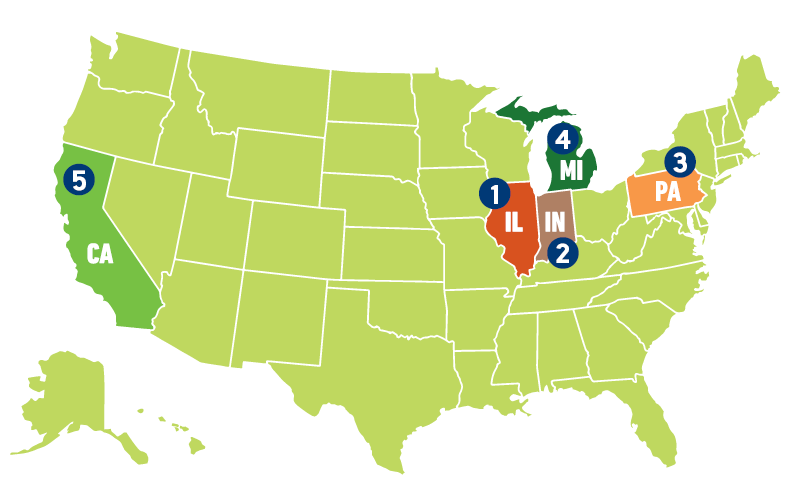
Illinois Farmers grow more pumpkins than anywhere else in the world!
ILLINOIS IS
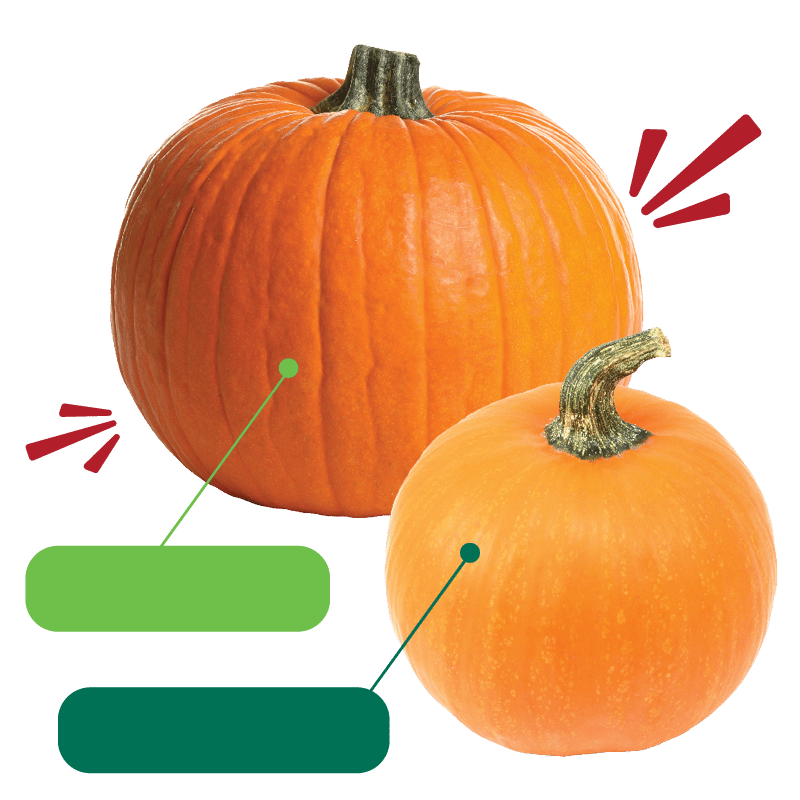
Ornamental Pumpkin
Processing Pumpkin
#1
WHAT ARE PUMPKINS?
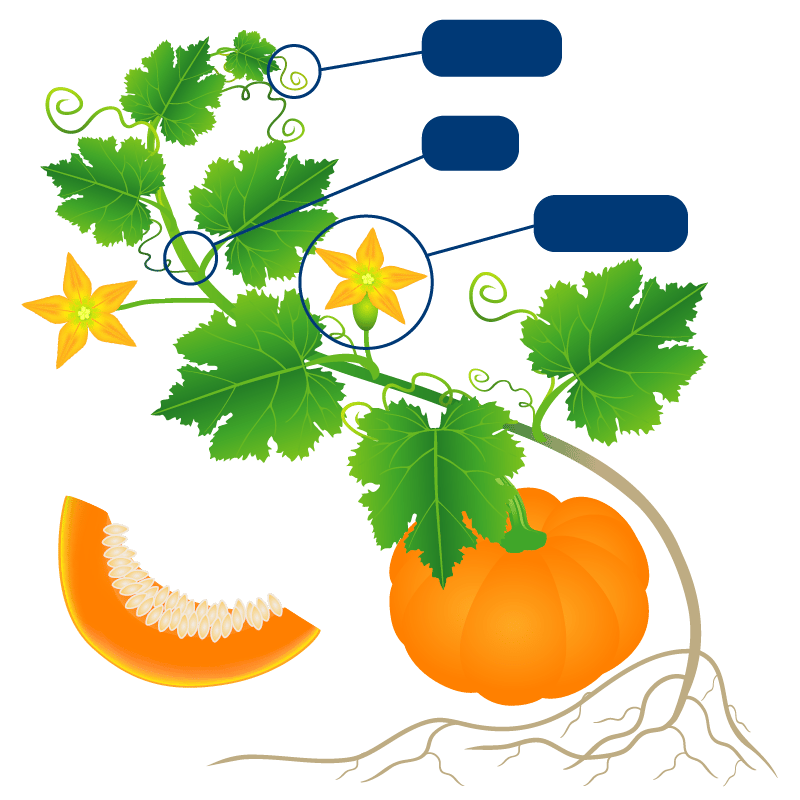
Pumpkins are members of the gourd family. This includes cucumbers, cantaloupe, watermelons, and zucchini. These plants grow on a VINE and often climb using TENDRILS. They also have bright yellow or white BLOSSOMS. Pumpkins are originally from Central America and Mexico, but they are now grown on all continents except Antarctica.
Most pumpkins in Illinois are grown for processing. A small percentage are grown for ornamental sales. That means people use them to decorate or carve into Jack O-Lanterns. These can be purchased through U-Pick farms, farmers markets, and retail stores. Processed pumpkins are turned into canned pumpkin and canned pie mix. Processing pumpkins have a similar size and shape to a watermelon. They have a lighter shell than ornamental pumpkins. Pumpkins can range in size from less than one pound to more than 1,000 pounds.
Tendrils
Vine
Blossom
WORDS TO Know...
Vine: long flexible stems that trail along the ground or climb by clinging to a support with tendrils.
Tendrils: slender, coiling plant parts which help support the stem of some climbing plants by clinging to an object.
Blossom: the flower of the plant, which will turn into the pumpkin.

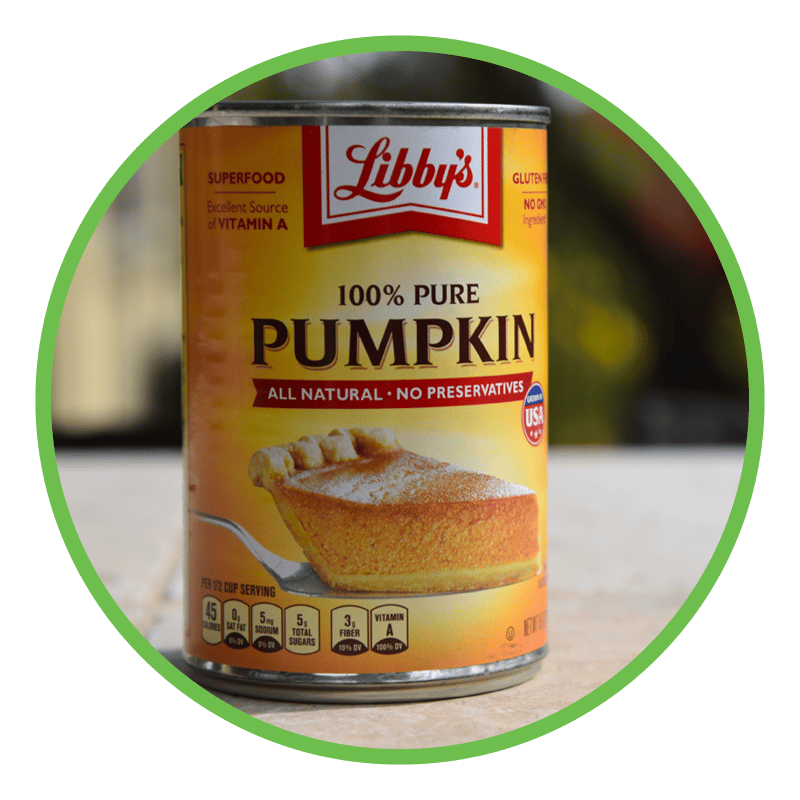

Over 85% of the world’s canned pumpkin is processed in Morton, Illinois at Libby’s Plant. This is why Morton is considered the Pumpkin Capital of the World!
FUN FACT
70% of pumpkin-related sales occur in September, October, and November.
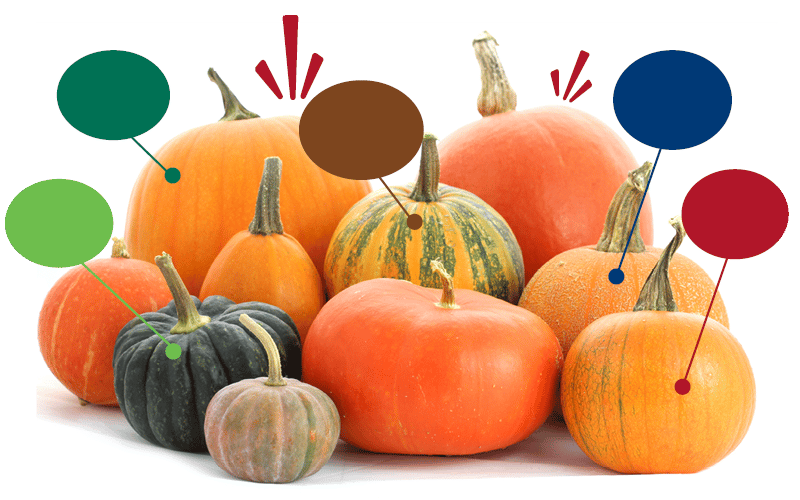
WHAT KIND OF PUMPKINS ARE IN THE PATCH?
Pumpkins come in all different types called VARIETIES. Different varieties have different shapes, sizes, colors, and flavors. Sometimes pollen from one variety of pumpkin pollinates another variety and creates a brand-new type of pumpkin. This is called CROSS-POLLINATION. Pumpkin farmers and seed breeders have done this on purpose to create the variety of pumpkins used for processing pumpkin-flavored foods like pumpkin pie. These processing pumpkin varieties look very different and taste a lot better than the pumpkins we carve into jack-o'-lanterns for Halloween.
Black Futsu
Jack o' Lantern
Italian Stripe
Sugar Pie
Baby Bear
WORDS TO Know...
Variety: a kind or type of pumpkin.
Cross-Pollination: the transfer of pollen from the flower of one plant to the flower of a plant with a different genetic makeup.
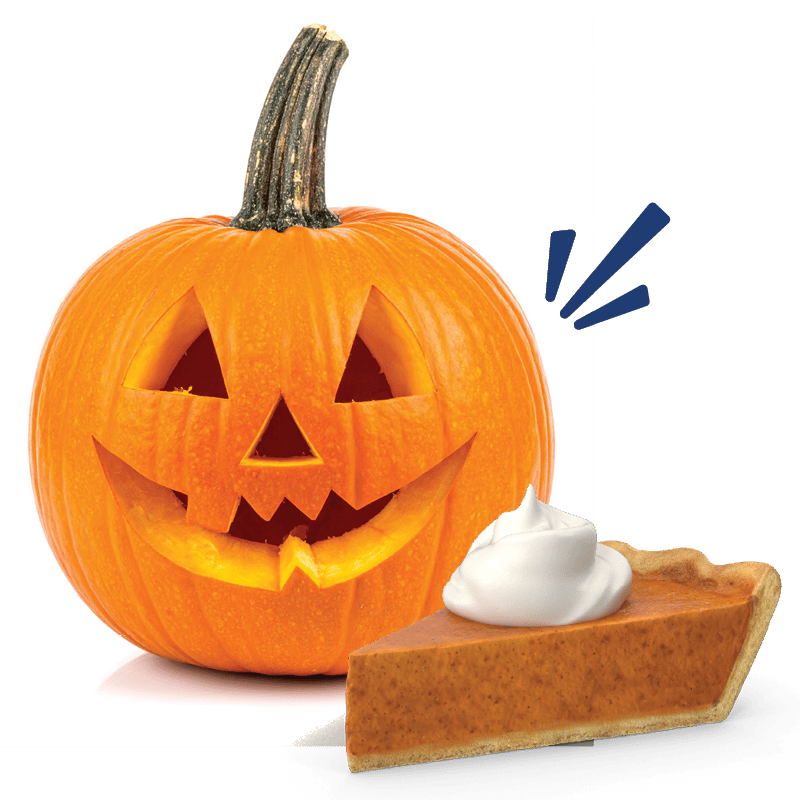
Pumpkins have a rich tradition in America. The pumpkin helped keep new European settlers alive after they failed to grow wheat and corn. Native Americans used pumpkins to get through long winters. Over time, they found many ways to enjoy the sweet inner meat of the pumpkin. They added pumpkin blossoms to soups, turned dried pumpkin into flour, and munched on seeds as a snack.
Pumpkins were so useful, Irish immigrants even turned their tradition of carving faces in turnips into carving jack-o'-lanterns at Halloween. Today, Illinois is the number one pumpkin producer in the U.S. For that reason, pumpkin pie became the Illinois State Pie in 2015. Pumpkin pie is a favorite at Thanksgiving. Orders surge dramatically during the holiday season.
WHY ARE PUMPKINS SO POPULAR?
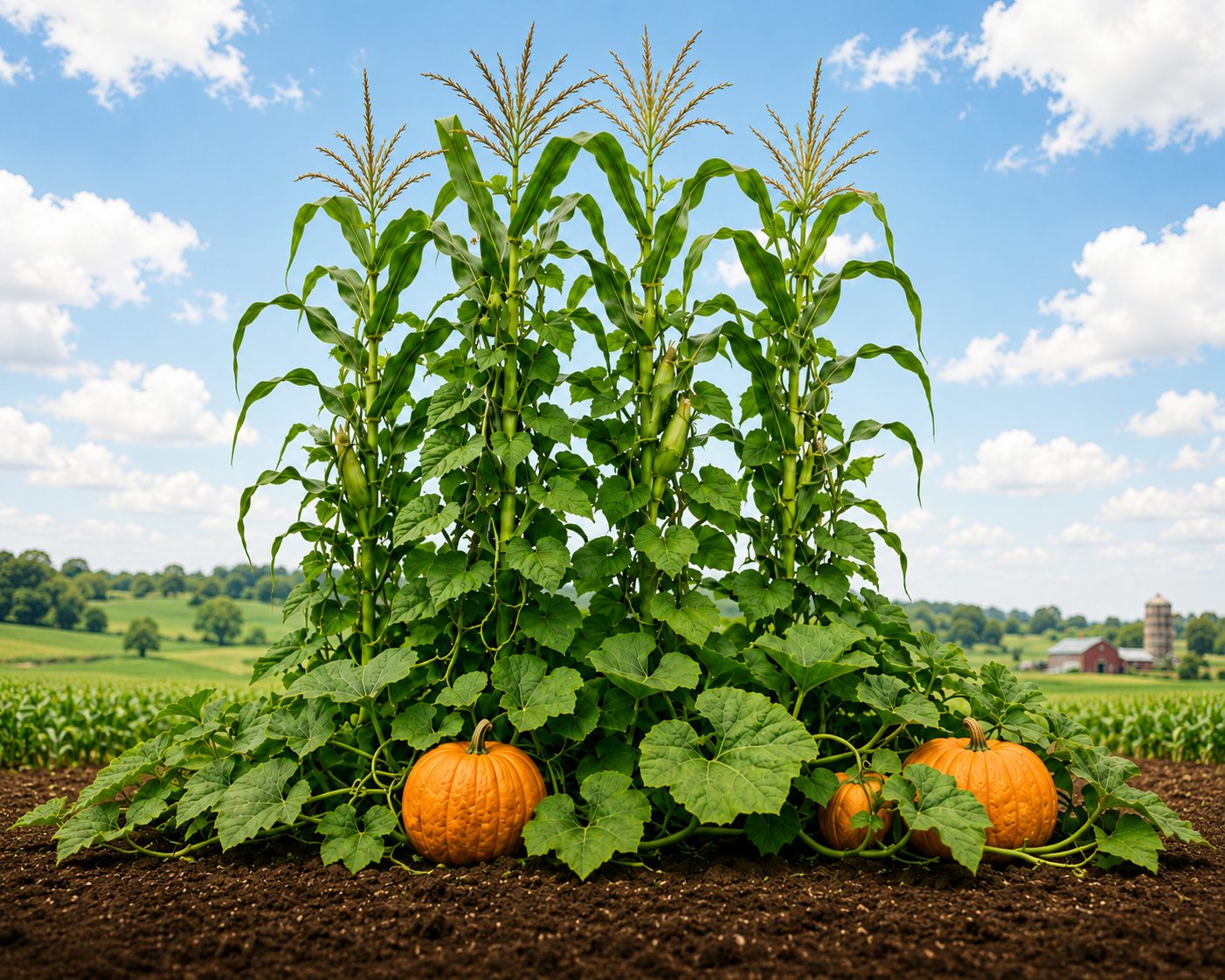
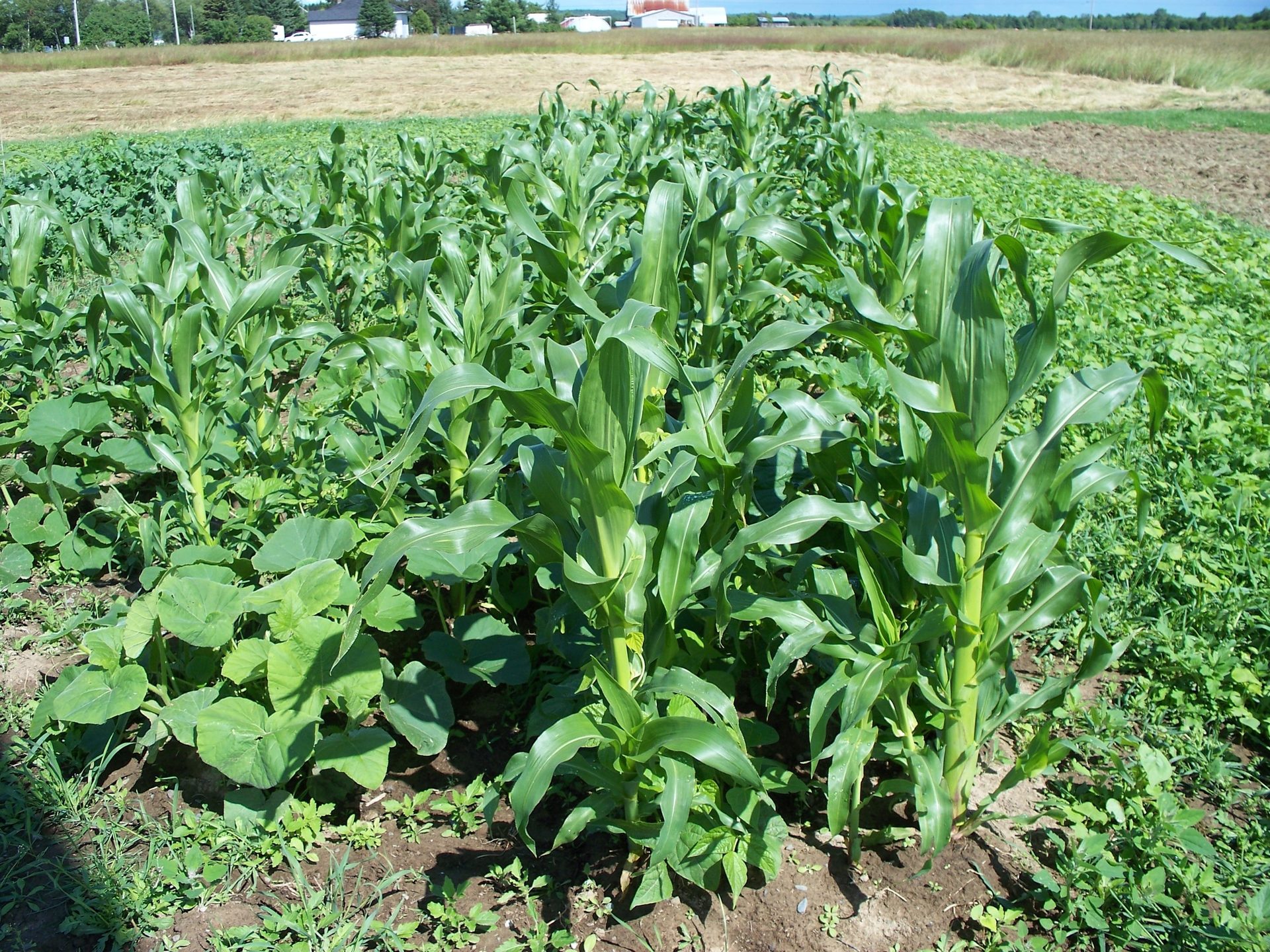
Native Americans developed a way to grow pumpkins called the “Three Sisters.” They planted corn, beans, and pumpkins together in one place. These “Three Sisters” worked together to help each other grow. The corn stalk grew sturdy and supported the bean plant. The bean plant added nitrogen to the soil, which helped the corn plant grow. The pumpkins provided a ground cover of shade, which helped the soil stay moist and kept weeds from growing. Today, pumpkin farmers use different practices to make sure their crop is successful. Pumpkins are grown in all 50 states, but Illinois grows the most by far. Counties like Tazwell, Peoria, and Mason in the central part of the state provide the perfect soil and climate conditions for growing pumpkins.
WHAT ARE THE "THREE SISTERS"
HOW DO PUMPKINS GROW
- Fall decorations
- Jack-o’-Lantern carving
- Fall decorations
- Jack-o’-Lantern carving
Find out by watching our Awesome Agriculture: Pumpkin video.
HOW ARE PUMPKINS HARVESTED?
FUN FACT
The heaviest pumpkin on record weighed more than 2,819 pounds. It was grown by twin brothers Ian and Stuart Paton in the United Kingdom in 2025.
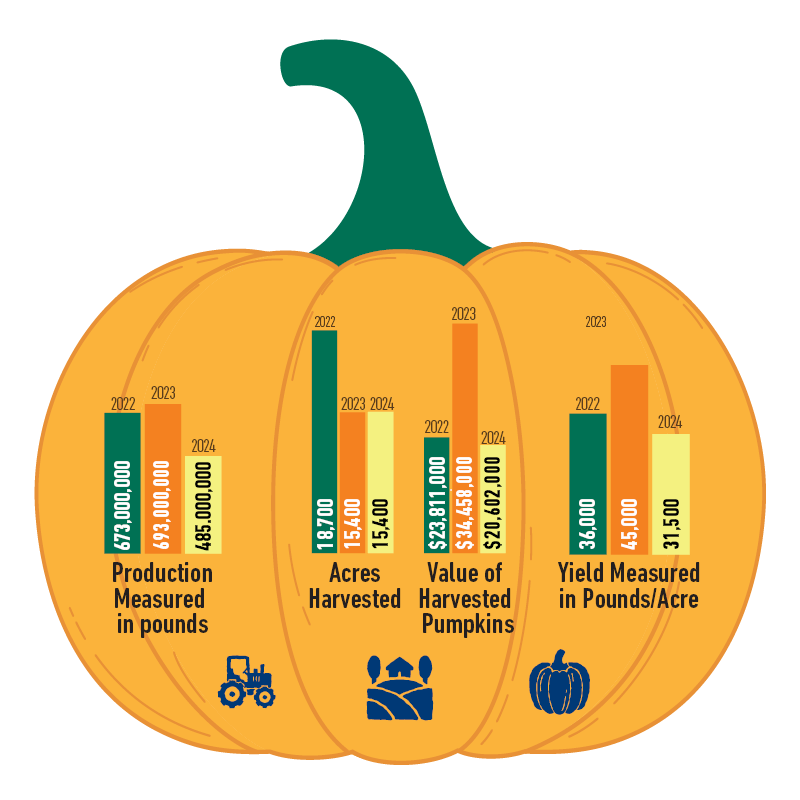
ILLINOIS PUMPKIN PRODUCTION

FUN FACT
The heaviest pumpkin ever grown in North America was 2,749 pounds. It was grown by Travis Gienger in Anoka, Minnesota, and presented in 2023.

Pumpkins are high in beta carotene which is converted to vitamin A in the body. Vitamin A helps your bones and cells develop.

How Can

Help THE POLLINATORS?
WHY ARE PUMPKINS "GOURD" FOR YOU?
The vitamin C, vitamin E, and antioxidants found in pumpkins helps promote healthy eyes.


Pumpkins are extremely low in calories. They have only about 50 calories per cup since they are more than 90% water.
Pumpkins are high in fiber, which helps you maintain a healthy digestive system.
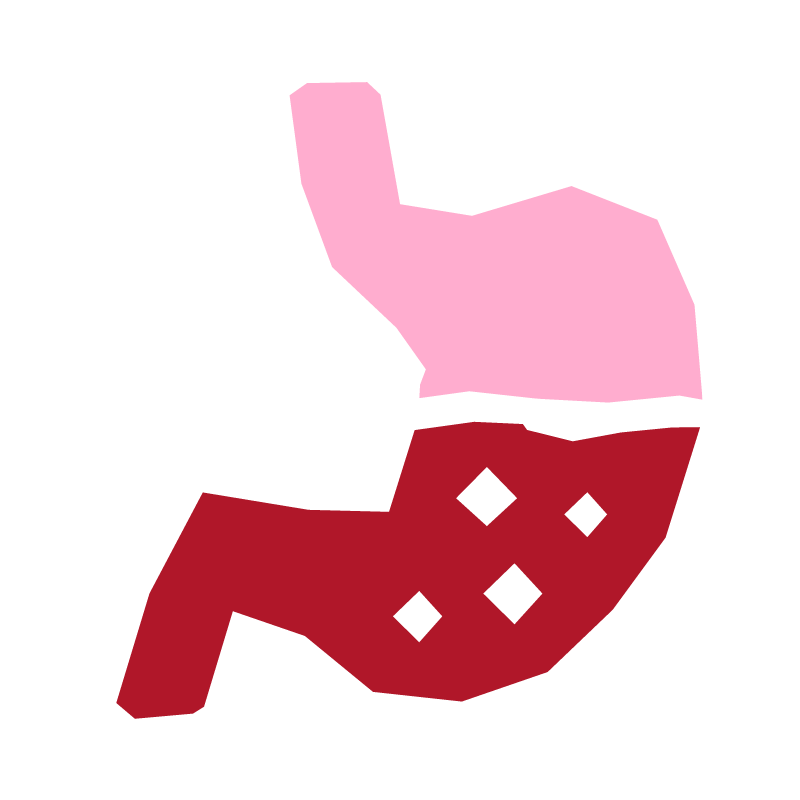
Pumpkins can help increase your body’s white blood cell production and strengthen your immune system due to the vitamin C they contain.
FUN FACT
The largest pumpkin pie ever was baked on September 25, 2010 and weighed in at 3,699 pounds!
HOW DO PUMPKINS SIZE UP?
Let’s hear from two different pumpkin farmers in Illinois to compare processing pumpkin farming to ornamental pumpkin farming.



PROCESSING PUMPKINS
ORNAMENTAL PUMPKINS
Luke Clark, 7th generation owner of Clark Farms located in Chandlerville, Illinois.
"Pumpkins are our best cash crop 8/10 years. Diversifying crops, more than just corn and soybeans, helps us be successful and makes every day different."

Cody and Maria Blunier, owners since 2023 of The Pumpkin Place located in Princeville, Illinois.
“Pumpkin farming is not all big orange carving pumpkins. There is a whole different group of colorful decorative pumpkins.”



- Contract with Seneca Foods in Princeville, IL (canned pumpkin then sold wholesale to stores)
- 100% gets processed and canned for pies and other pumpkin foods
- Fall decorations
- Jack-o’-Lantern carving

- Work ground with harrow (removes ridges and trash for better yields)
- Seneca Foods plants with machinery
- Plant in IL mid to late May for warm temperatures. Completed before June
- Every other row planted (60 in. rows)
- A couple varieties planted
- Plant all by hand as a family
- Seeds placed on soil hill and kids push just below surface
- Start middle of May and plant every 5 days through June
- Varieties mature at different rates; all are ready by Labor Day Weekend
- Over 200 varieties planted

- Machines windrow and cut pumpkins off vines
- Harvesters roll pumpkins up conveyer and dump in carts
- Some are smashed but still used
- From Oct. 1st to mid Nov. (weather dependent)
- Each pumpkin is picked by hand
- Leave bug eaten or soft ones in field
- Cleaned at the farm
- Pick for about an hour a day after work
- Restock all varieties each Saturday
- From start of Sep. to end of Oct.
Common Core State Standards:
ELA - RI.4.1; RI.4.2; RI.4.3; RI.4.4; RI.4.5; RI.4.7; SL.4.1 ; SL.4.4; L.4.4 ; L.4.6 | Math - MD.3.3; NBT.4.2; NBT 4.4
Information in this Ag Mag complements the following learning standards:
Next Generation Science Standards:
3-LS1-1; 3-LS1.B; 3-LS3-2; 3-LS3.B; 3-LS4-3; 4-LS1-1; 4-LS1. Social Studies - SS.4.EC.1-2; SS.4.H.2
This issue of AG MAG has been provided by: