POLLINATORS
POLLINATION
Pollinators help most of the world’s flowering plants reproduce.
These hard workers are responsible for pollinating more than 180,000 different plant species and more than 1,200 crops that people eat every day around the world. About one in three bites of food is only available because of pollinators.
In the United States, pollinators help produce $29 billion worth of crops every year. Unfortunately, pollinator populations have gone down for a variety of reasons. A large reason for this is due to habitat loss.
So, what can we do about this problem? We can all help to keep our pollinators healthy and thriving. We can help create habitat for pollinators while also supporting our own need to eat!
&
ILLINOIS AGRICULTURE
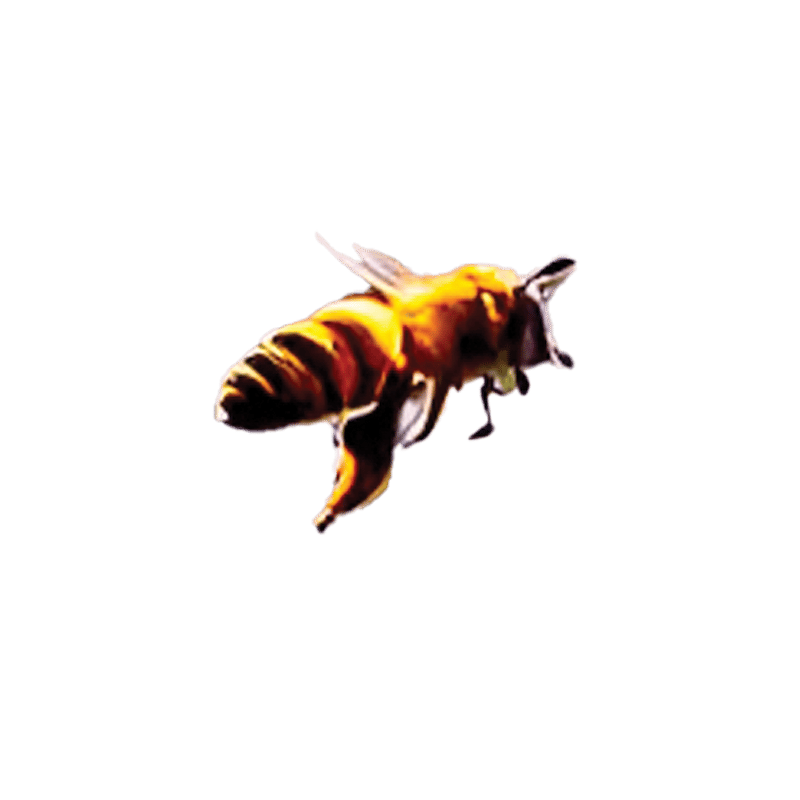
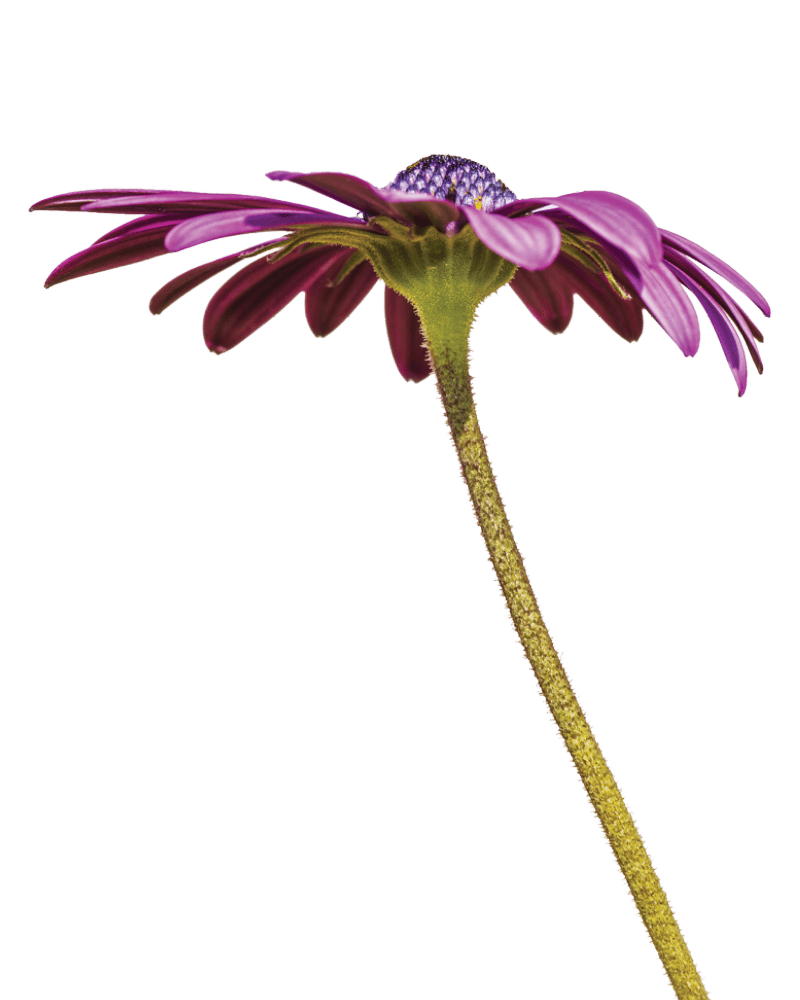
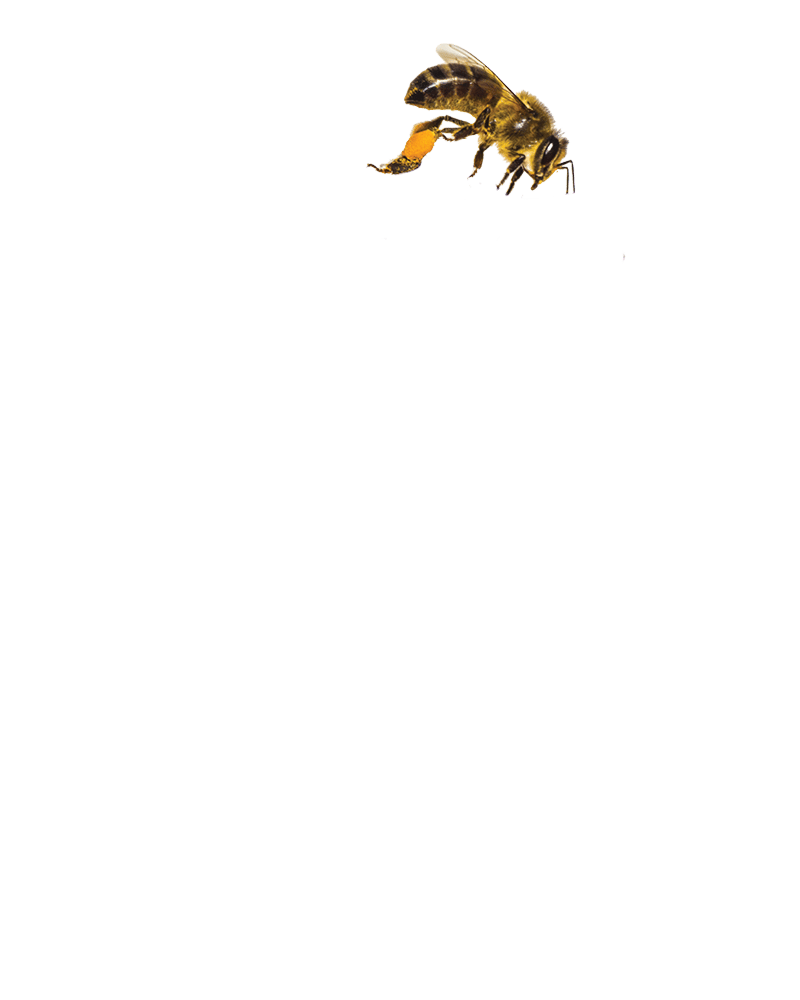
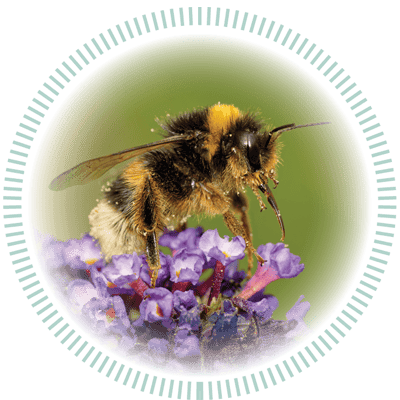
This bee’s legs are covered in pollen as it visits the Illinois native purple coneflower.
WORDS TO Know...
Pollinators: animals, mainly insects, that move pollen between flower structures so flowers can be fertilized to produce fruits and seeds.

What is Pollination?
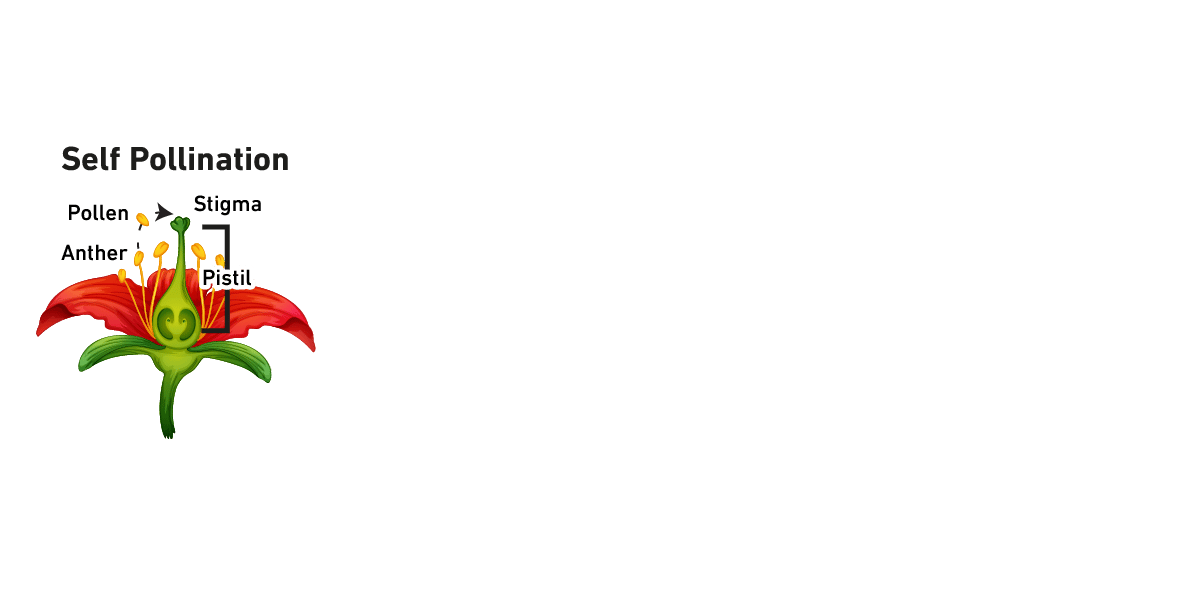
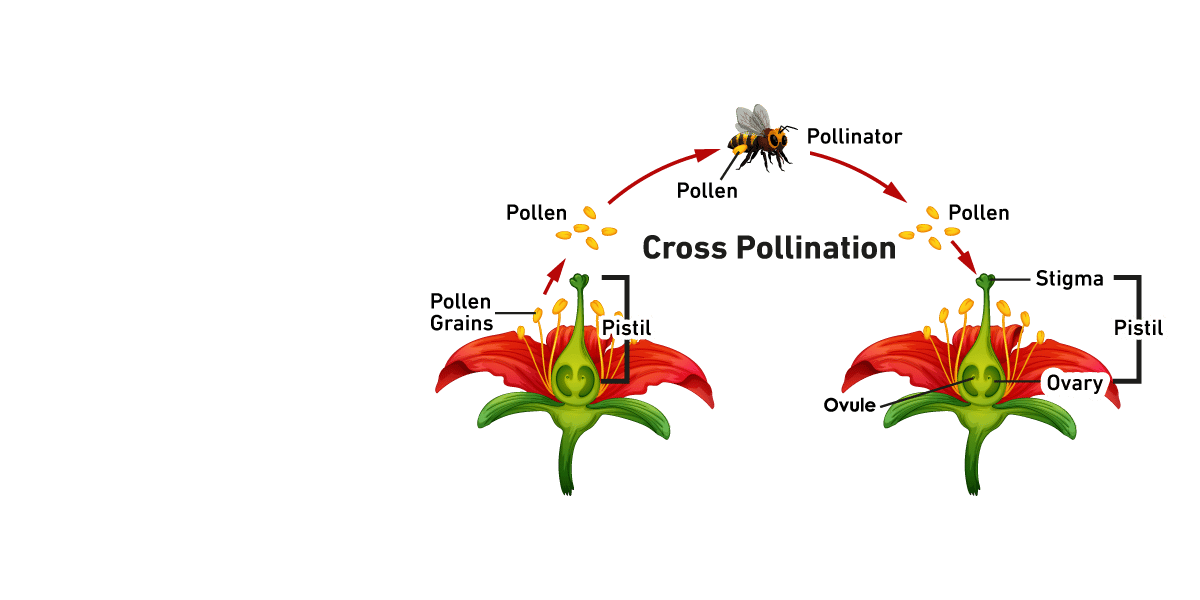
Every living thing wants to reproduce to create offspring. One of the ways plants can do this is by making seeds. Plants cannot produce seeds unless they are fertilized through pollination. There are two methods of pollination. Most plants use cross-pollination when pollen is transferred between flowers on two different plants of the same species. Self-pollination takes place on just one flower or between flowers growing on the same plant.

Pollinators don’t even know that they are helping to pollinate plants. Pollinators visit flowers to search for food. Pollen from one flower sticks to their body and is left on the flower of the next plant they visit. When the pollen reaches the pistil of the flower, the plant has been pollinated and can begin producing
a seed. Thanks to this accident, the flower can start to reproduce, and the pollinator gets food. This is the perfect example of MUTUALISM. This relationship between pollinators and flowers is probably the best-known example of mutualism.
Working TOGETHER
WORDS TO Know...
Mutualism: an interaction between living things where they both benefit.
GET TO KNOW IMPORTANT POLLINATORS
Flies
- Second most important pollinators behind bees
- Attracted to many different flowers
- Like flowers with "stinky" smells
- Important to pollinating crops like pawpaws, onions, strawberries, cauliflower, fennel, mustard, and carrots
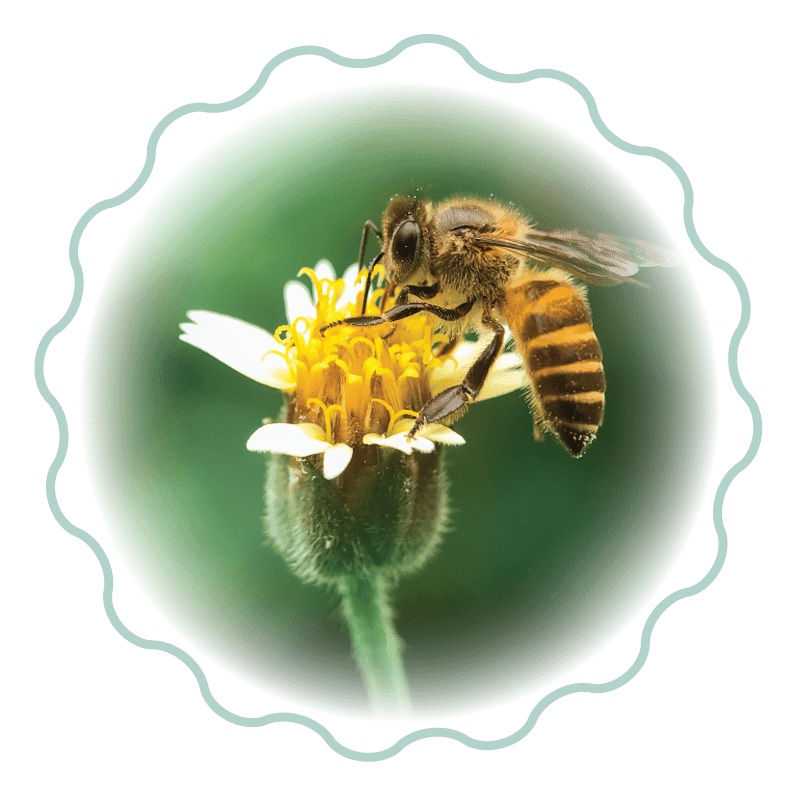
Honey bees
- Not native to Illinois or U.S.
- Live in COLONIES
- Over 5,000 beekeepers manage close to 40,000 hives in Illinois
- Help to contribute $15 billion of crops in the U.S. each year
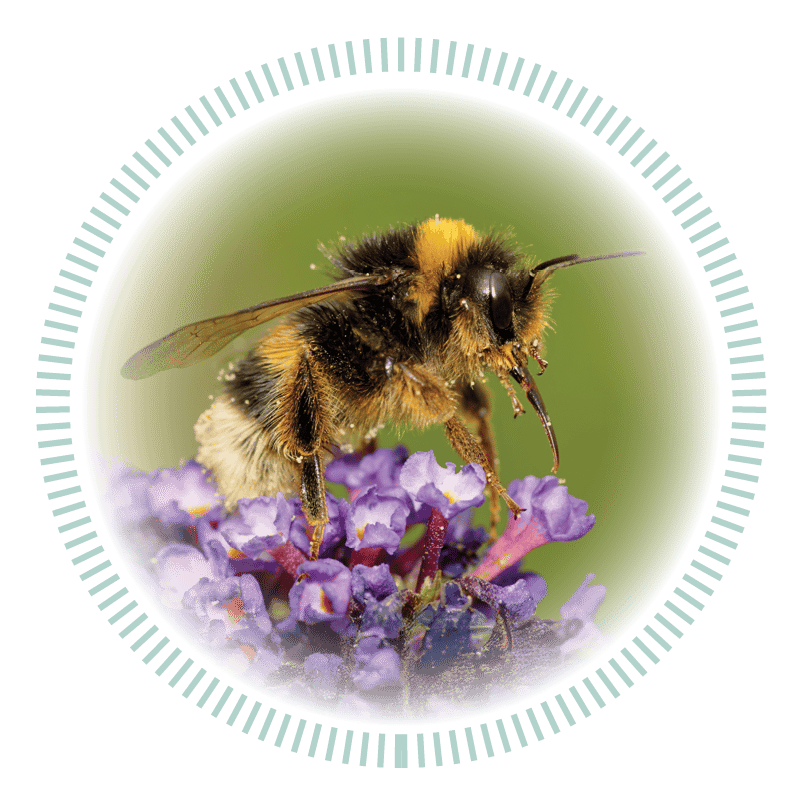
Native Illinois bees
- 400-500 species in Illinois
- Some examples: bumble, carpenter, cuckoo, and many more bees
- Live in different habitats across the state
- Have many different nesting styles: away from other bees, in hives, or as parasites
Native Illinois bees
- 400-500 species in Illinois
- Some examples: bumble, carpenter, cuckoo, and many more bees
- Live in different habitats across the state
- Have many different nesting styles: away from other bees, in hives, or as parasites
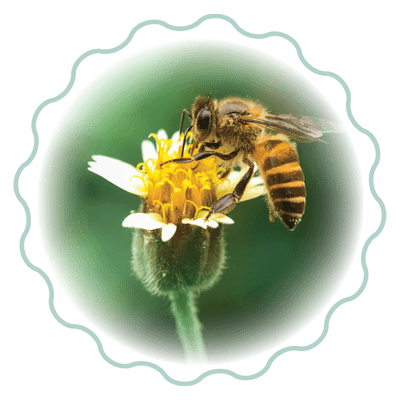
Honey bees
- Not native to Illinois or U.S.
- Live in COLONIES
- Over 5,000 beekeepers manage close to 40,000 hives in Illinois
- Help to contribute $15 billion of crops in the U.S. each year
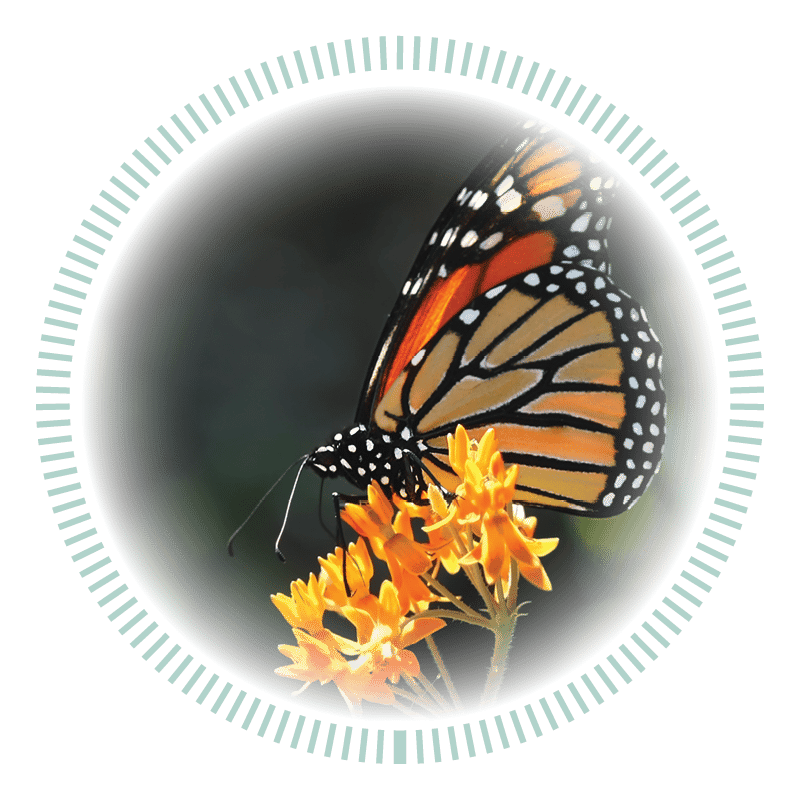
Butterflies
- Visit a wide variety of wildflowers
- Like flowers in clusters or withlanding pads
- Prefer brightly colored flowers
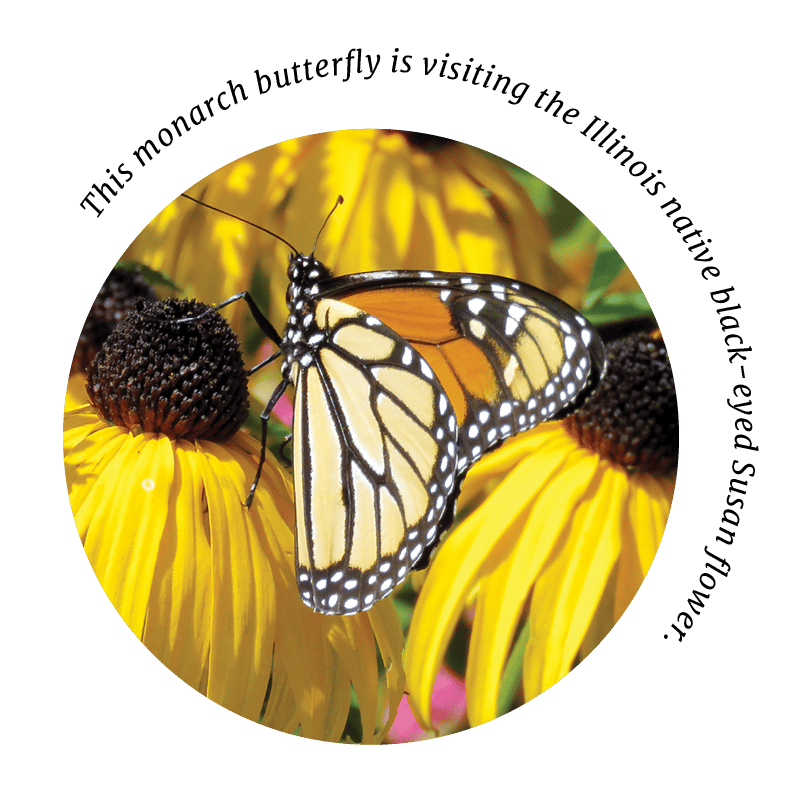
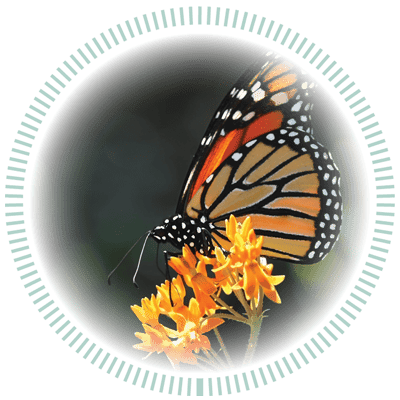
- Monarch butterfly is the Illinois State Insect
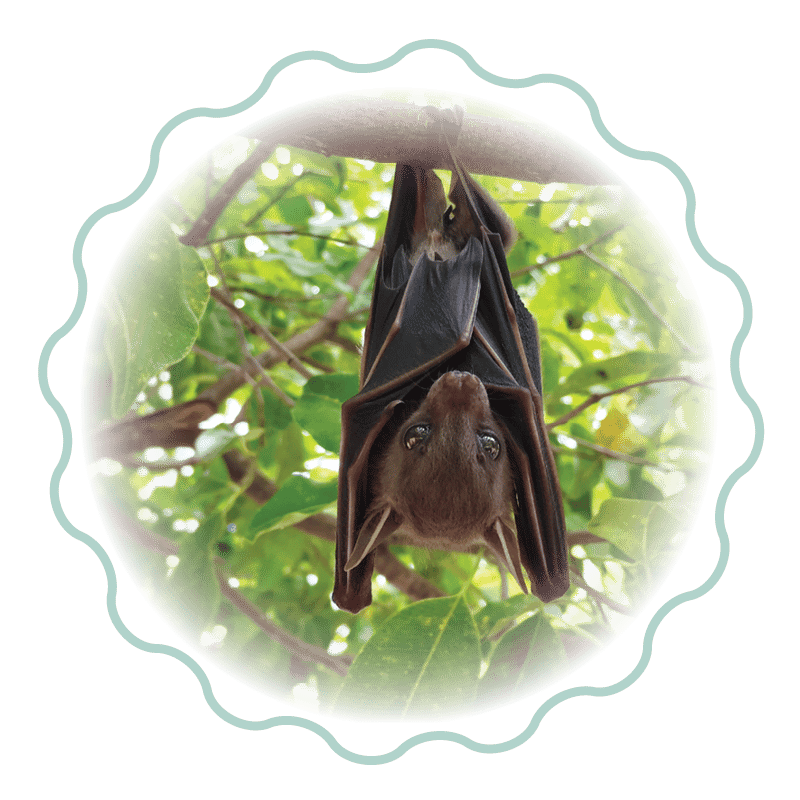
Bats
- Active at night
- Over 500 species of flowering plants rely on bats
- Mangoes, bananas, guavas, and over 300 species of fruit need bats
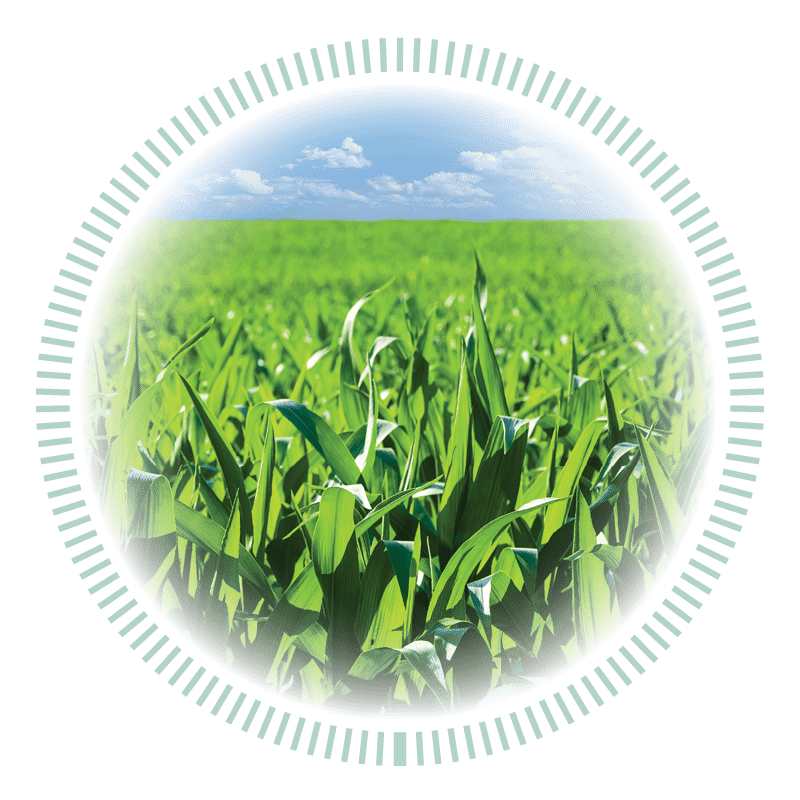
Wind
- Responsible for pollinating all grasses, most trees, and many agricultural crops, like wheat, corn, and grain sorghum
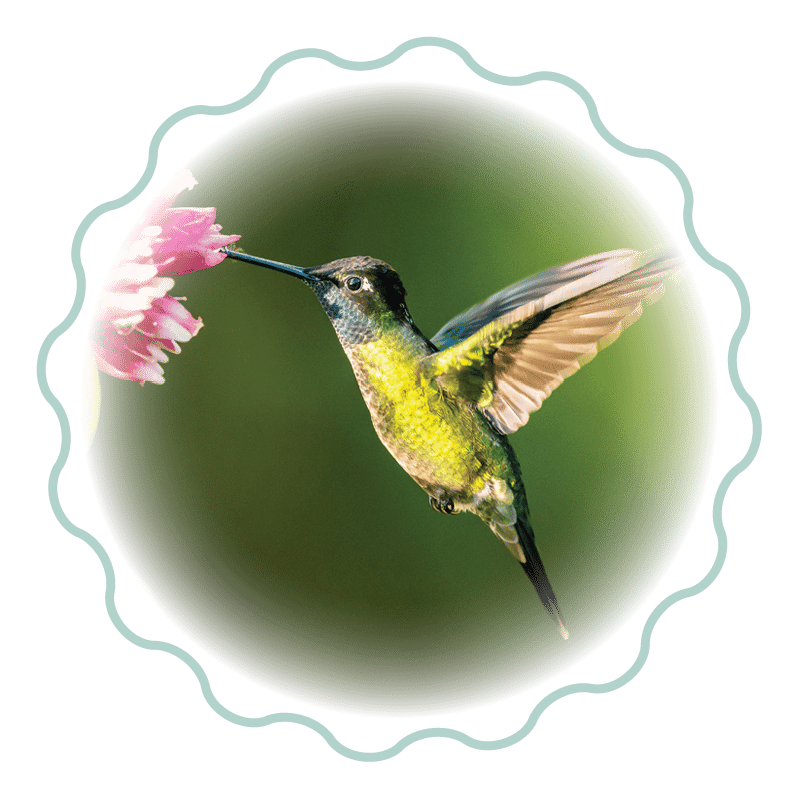
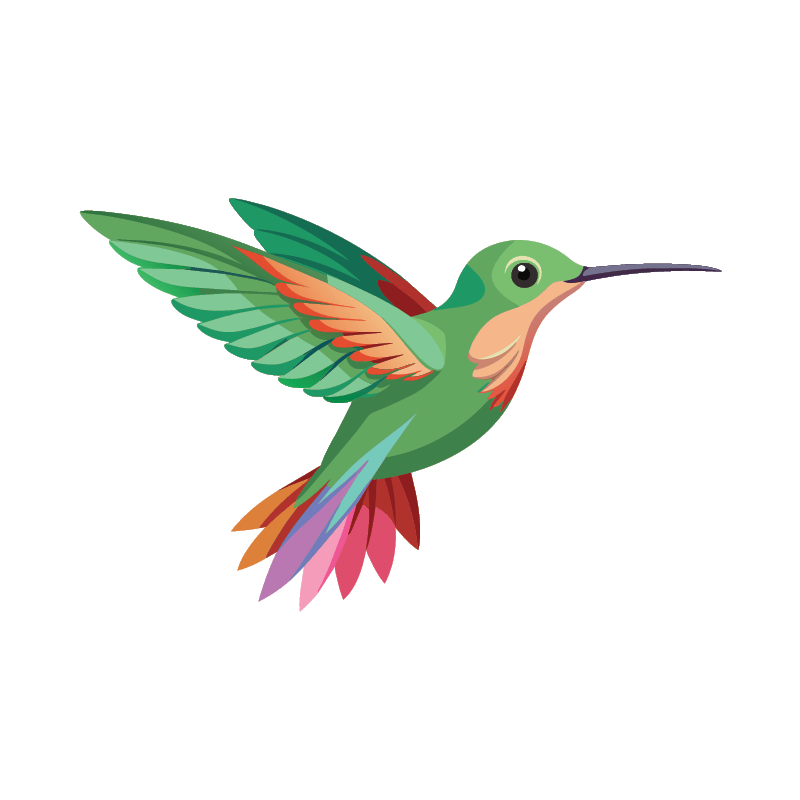
Birds
- Attracted to tubular shaped flowers with strong perches
- Prefer bright red, yellow, or orange flowers
- Hummingbirds are common in Illinois
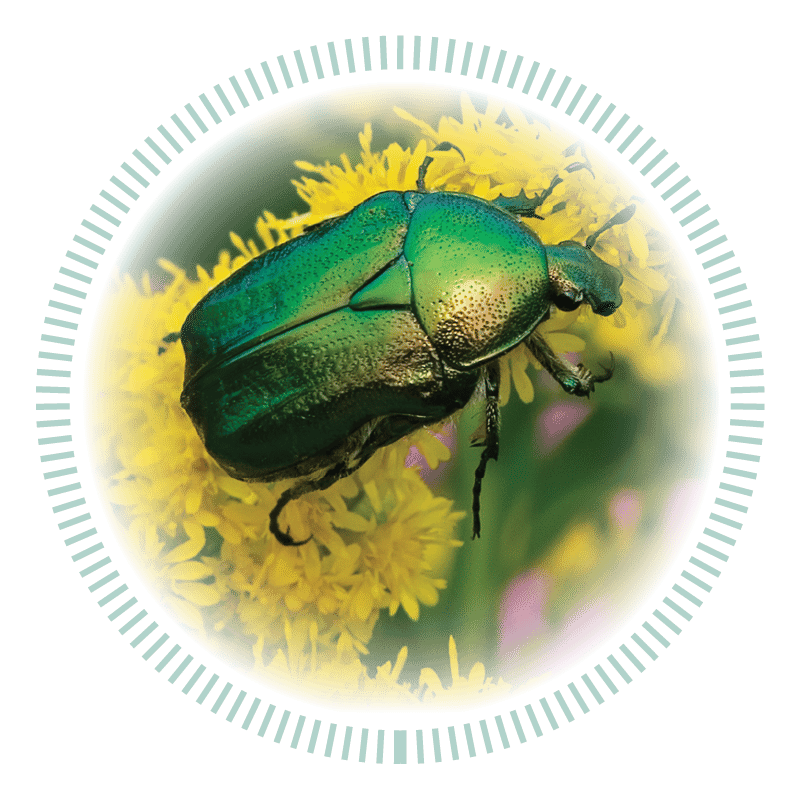
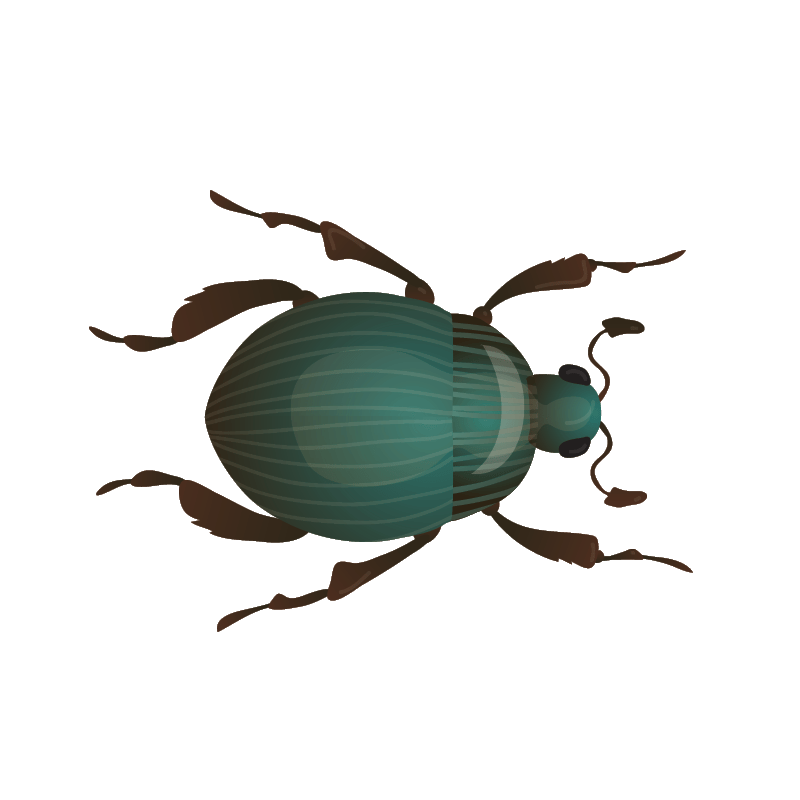
Beetles
- Some of the first insects to pollinate flowers about 130 million years ago
- Attracted to flowers with large, bulb shape
- Like strong smelling flowers
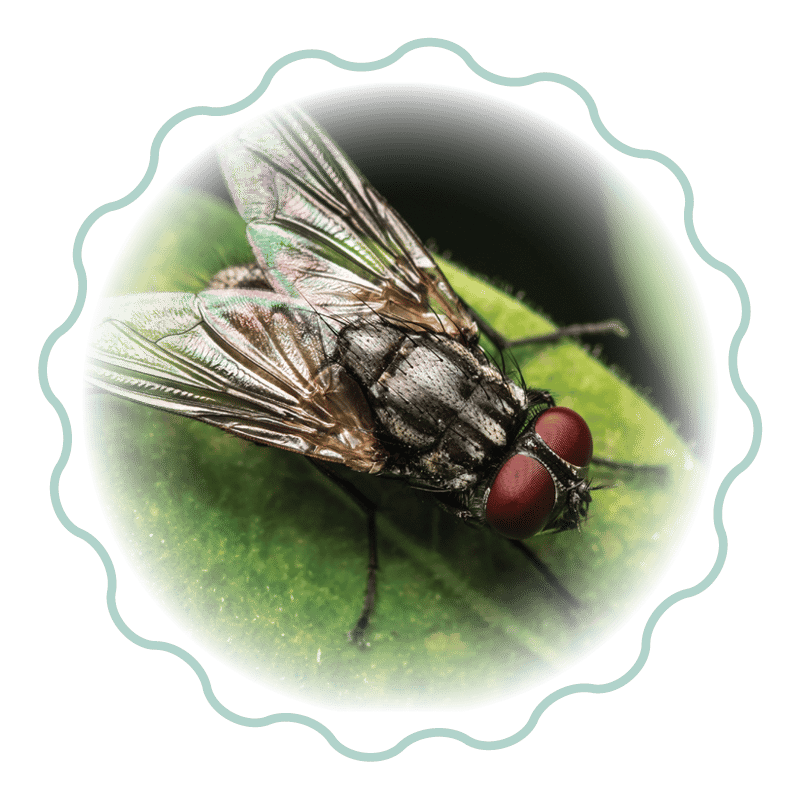
Flies
- Second most important pollinators behind bees
- Attracted to many different flowers
- Like flowers with "stinky" smells
- Important to pollinating crops like pawpaws, onions, strawberries, cauliflower, fennel, mustard, and carrots
Butterflies
- Visit a wide variety of wildflowers
- Like flowers in clusters or withlanding pads
- Prefer brightly colored flowers
- Monarch butterfly is the Illinois State Insect
Bats
- Active at night
- Over 500 species of flowering plants rely on bats
- Mangoes, bananas, guavas, and over 300 species of fruit need bats
Wind
- Responsible for pollinating all grasses, most trees, and many agricultural crops, like wheat, corn, and grain sorghum
Birds
- Attracted to tubular shaped flowers with strong perches
- Prefer bright red, yellow, or orange flowers
- Hummingbirds are common in Illinois
Beetles
- Some of the first insects to pollinate flowers about 130 million years ago
- Attracted to flowers with large, bulb shape
- Like strong smelling flowers
WORDS TO Know...
Colony (plural: Colonies): bees living and working together to ensure survival.

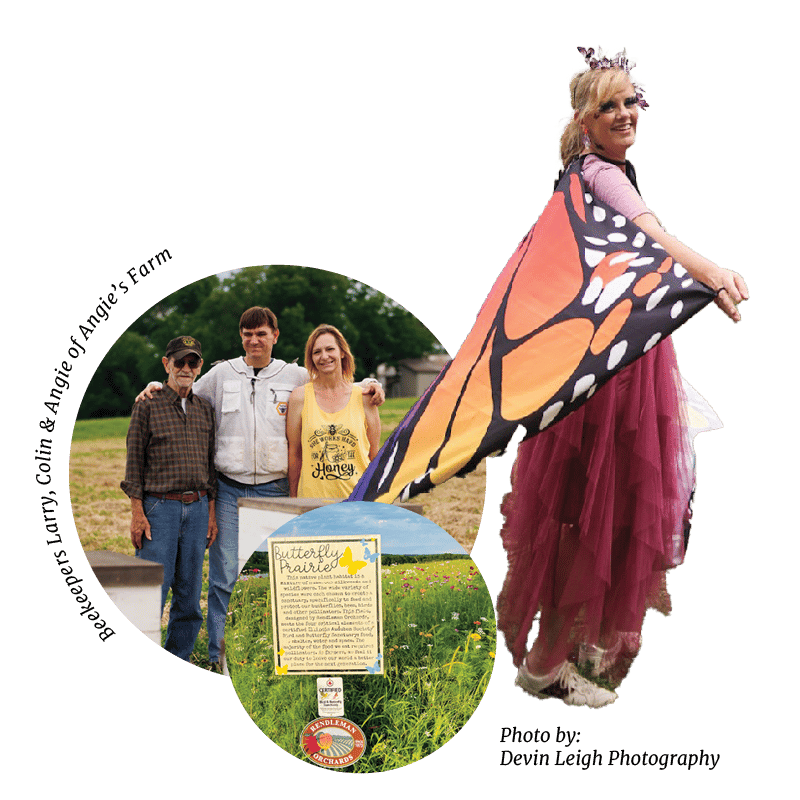
Michelle Sirles,
Owner & VP Rendleman Orchards Inc., Alto Pass, IL
What role do pollinators play on your farm?
Pollinators are essential. How well crops are pollinated makes a big impact on production numbers. We monitor our crops daily during pollination to be aware of how each crop and each plot was pollinated so we can better forecast production, plan labor, sales and revenue.
What efforts have you made to help promote pollinators?
Since 2018 we have made significant efforts to greatly protect and increase pollinator populations. We added approximately 1 acre each; zinnias, cosmos, sunflowers, autumn sunflowers, mums, increased pumpkin production and added an Illinois Audubon Society certified Bird & Butterfly Prairie habitat. We have become a certified Monarch Waystation and nationally Eco Certified. We added bee and bug houses, a butterfly house, and hummingbird feeders as well.
Why is it important to help promote pollinators in your local area?
As farmers and stewards of the land, we feel it is our duty to leave our world a better place for the next generation. We welcome guests to visit The Fields at Rendleman Orchards to learn and be inspired as individuals to protect our planet and our pollinators.
POLLINATOR
PROMOTER
Can flowers communicate with pollinators?
Find out by watching our Awesome Agriculture: Pollinators video.

Monarch Migration
Every spring, monarchs migrate from the mountains of Michoacán, Mexico to the prairies of Illinois. The females stop in the southern United States to lay eggs on milkweed before they die. These new butterflies are born in early spring and continue the journey north. It will take two or three generations to complete the migration! After spending the warmer months in Illinois, a “super generation” of monarchs emerge from their chrysalises to make the long journey back to their winter homes in Mexico.
Project Goals
Monarch butterflies need milkweed to lay eggs and other flowers for nectar. Habitat for monarchs has been decreasing for decades. This makes it harder for them to thrive. The Illinois Monarch Project was started in 2016 to improve and create new places that support monarch butterflies. Their goal is to add 150 million new milkweed stems and other nectar sources to Illinois by 2038. If your family would like to take the pledge to help, go to illinoismonarchproject.org to learn more!
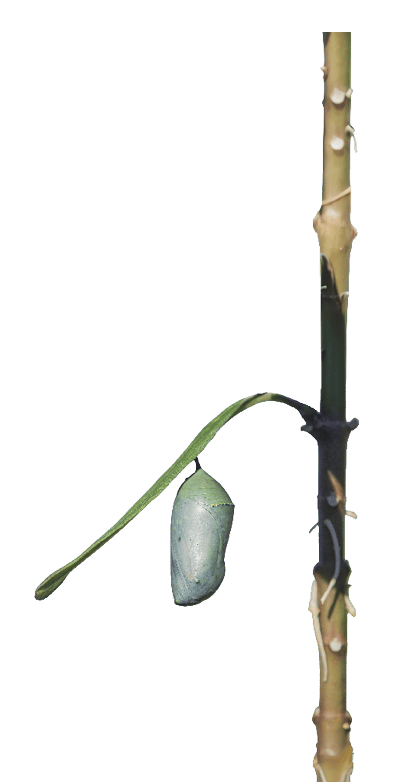
Chrysalis of monarch butterfly
WORDS TO Know...
Migrate: move from one region to another according to the seasons.
Chrysalis: the hard covering that protects a caterpillar as it transforms into a butterfly.
Monarch Lifecycle
Monarch Migration
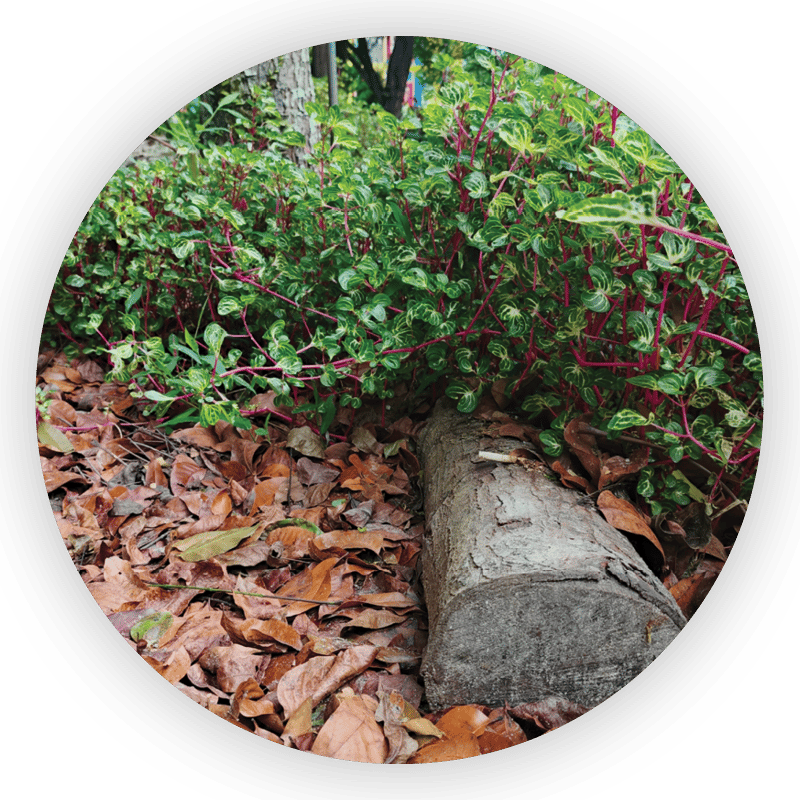
Give bees nesting places in leaves and logs left in your landscaping.

Help THE POLLINATORS?

How Can
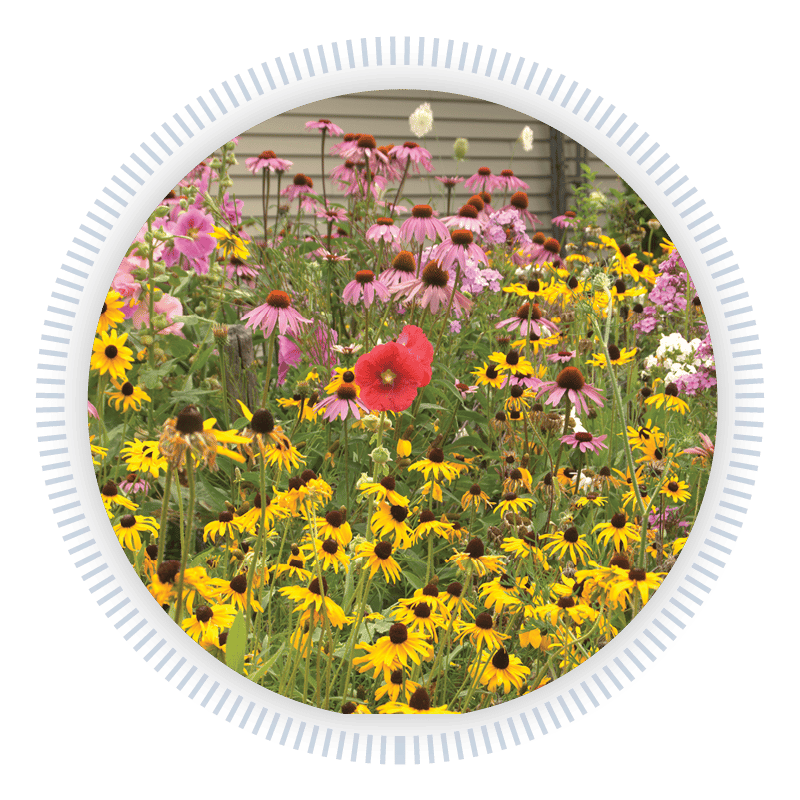
Plant a mixture of native pollinator-friendly plants in your area.
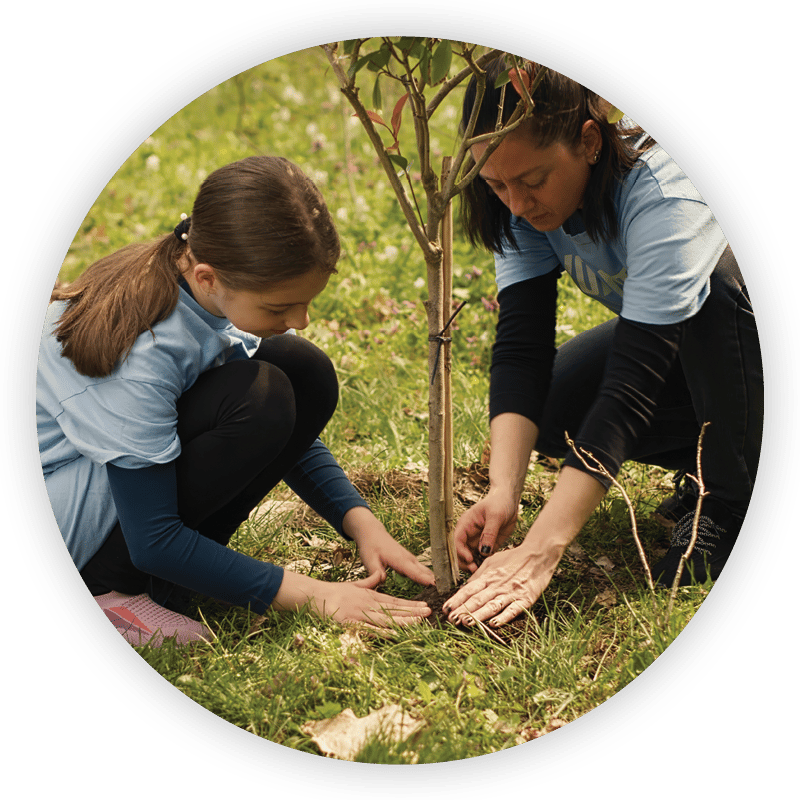
Support land conservation in your community by volunteering.
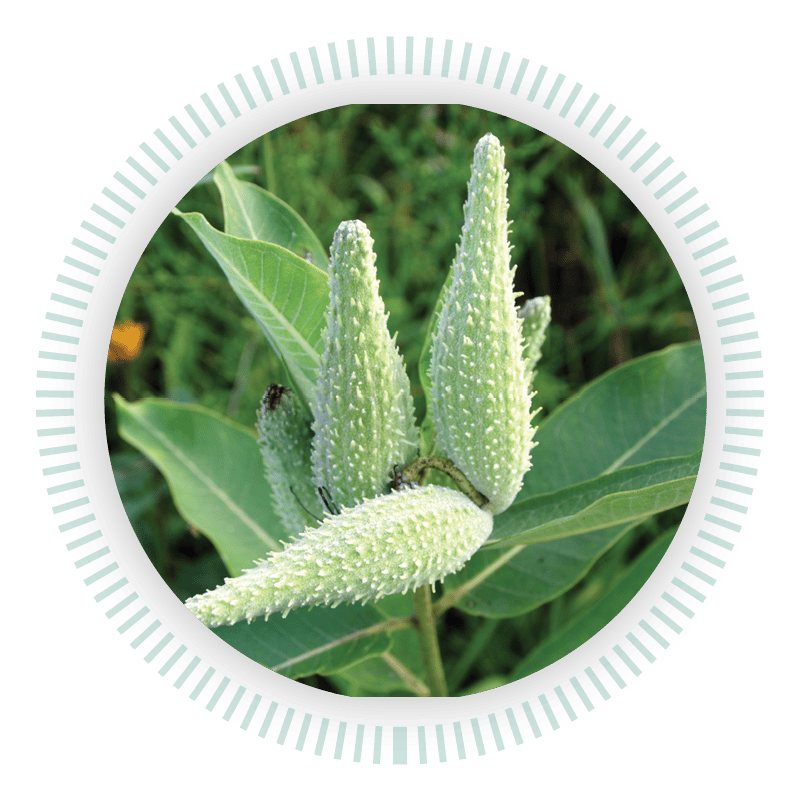
Plant milkweed for our Illinois State Insect, the monarch butterfly.

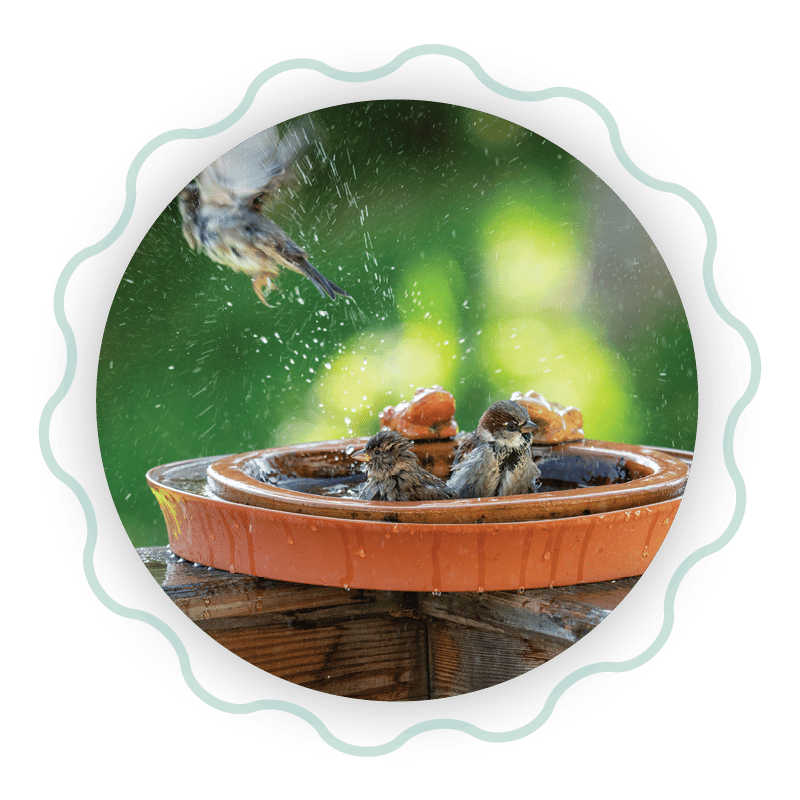
Provide clean water for pollinators by setting out shallow dishes with stone perches.
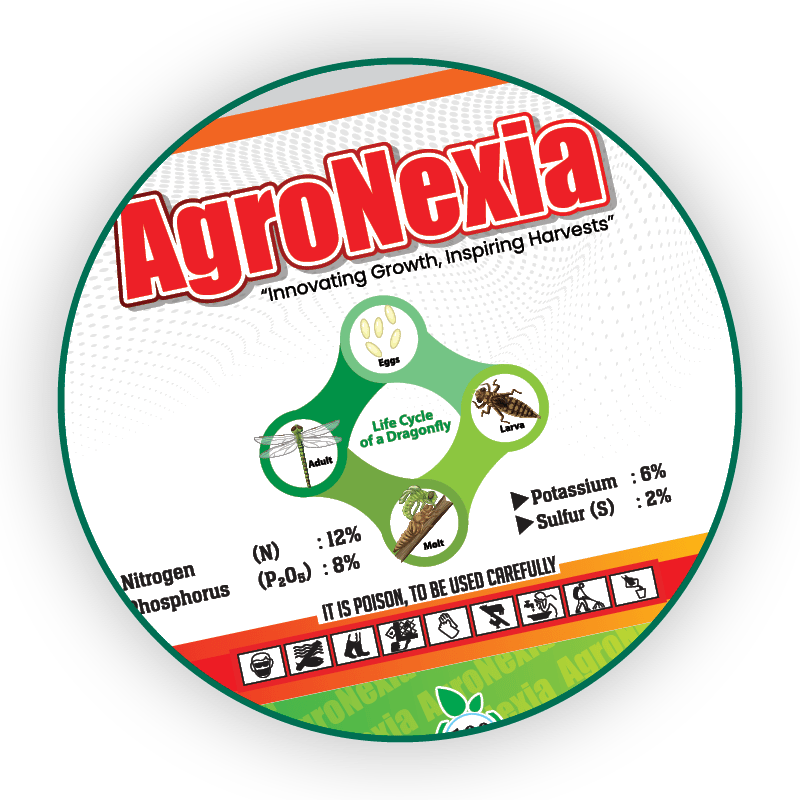
Be aware of proper usage of pesticides by reading instructions.
Plant a mixture of native pollinator-friendly plants in your area.
Give bees nesting places in leaves and logs left in your landscaping.
Support land conservation in your community by volunteering.
Plant milkweed for our Illinois State Insect, the monarch butterfly.
Provide clean water for pollinators by setting out shallow dishes with stone perches.
Be aware of proper usage of pesticides by reading instructions.
How Can
Help THE POLLINATORS?
Spread the word and talk to others to help them understand the role they can also play in protecting our pollinators!
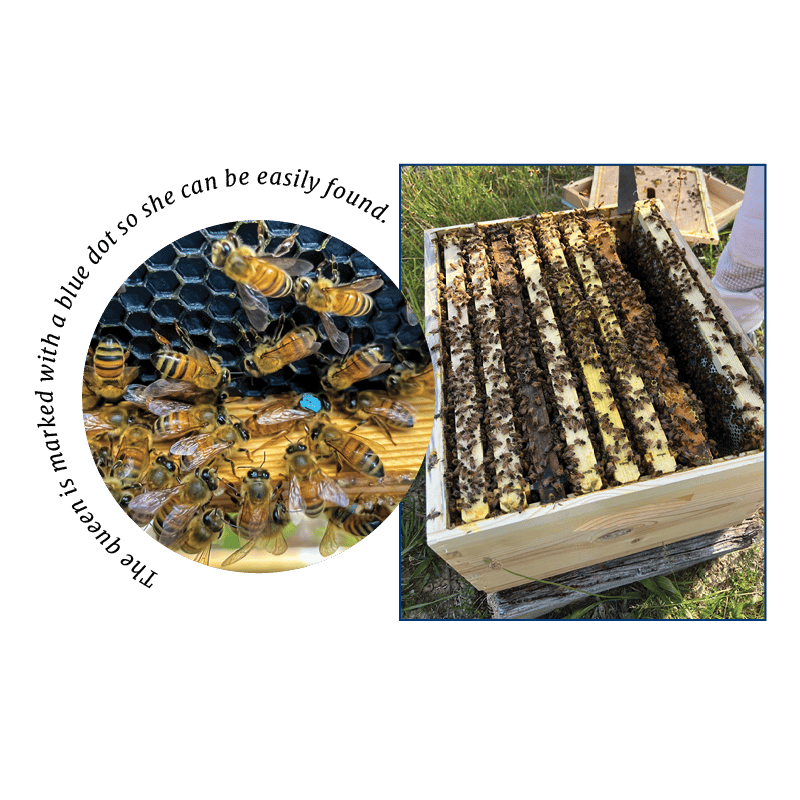
The school installed a native pollinator garden in 2023. Students had to choose plants that are native to Illinois. They also mapped out the layout for the plants. Beehives were added that same spring. We have had two seasons of successful honey harvest. The agriculture/science departments and FFA students continue to maintain these projects. The students have really taken pride in cleaning up the flower beds and making sure the habitat gardens look presentable. One of my FFA students has become our “school beekeeper”. She is able to log all her hours she spends with the bees in her record book. I encourage teachers to apply for any grants that are available. Also, get the students involved in the entire process.

Mason Vincent,
Ag Teacher & FFA Advisor A-C Central High School
Ashland, IL


Mallory G., “School Beekeeper”
My favorite part about working with the school’s beekeeping program is being able to grow my knowledge with the bees and also expanding on how honey is made and harvested. My advice to students that want to start a pollinator project: don’t be scared! With beekeeping, make sure you have the proper PPE and do a lot of research before you begin. The bees are more scared of you than you are of them. Take the chance and help keep our pollinators alive!
Student TAKES THE LEAD
A-C Central High School hive
Beekeeper PPE
Common Core State Standards:
ELA-Literacy RI.4.1; RI.4.2; RI.4.4; RI.4.7; RI.4.10; SL. 4.1; SL.4.4; L.4.1; L.4.4; L.4.6
Information in this Ag Mag complements the following learning standards:
Next Generation Science Standards:
3-5-ETS1.B; 5-ESS3.C; 4-LS1, 5-LS2.A; MS-LS1.A-B; MS-LS 1-7; MS-LS2-1; MS-LS 2.A-D; MS-LS2-4; MS-LS2-5; 5-PS3
This issue of AG MAG has been provided by: